
 info@ryotagro.com
 +91 8078 473 892
If you’re just starting to explore AI chat apps, you’ll feel a mix of excitement and confusion. The market is crowded, and each app claims to offer the next step in conversational technology. This review pulls back the curtain on one popular AI companion and shows you what to look for before you download. By the end you’ll know which features matter most and how to spot the hidden trade‑offs.
What the App Actually Does
The app positions itself as an “AI companion” rather than a generic chatbot. It offers a voice‑activated interface, a customizable avatar, and a memory system that keeps track of past conversations. When you ask for a joke or a recipe, the assistant pulls from a curated knowledge base and then personalises the answer based on your interaction history. The developer claims the memory lasts up to 90 days, but users report that after a month the assistant starts repeating earlier topics unless you refresh the conversation.
Key practical points:
- Voice support is available on Android and iOS, but the desktop web version is limited to text only.
- Customization options include tone (formal, friendly, sarcastic) and visual style (minimalist, cartoon, realistic).
- Content filters are enabled by default; you can toggle them off for more open conversation, but doing so may expose you to inappropriate replies.
- The free tier allows 30 messages per day; the paid plan removes the cap and adds priority server access.
Pros, Cons, and the Reality of Personalisation
One of the biggest selling points is the app’s ability to remember context. In a test conversation that lasted 45 minutes, the assistant correctly referenced a detail you mentioned at the start—your preference for low‑sodium meals—without being prompted again. That level of continuity feels more like talking to a friend than a scripted bot.
However, the memory feature has a caveat: it is not shared across devices. If you switch from your phone to your laptop, the assistant forgets the conversation history. That can be frustrating if you rely on the app for ongoing projects or emotional support.
Another limitation is the character limit for each response. The AI can produce up to 1,500 characters, but complex questions often get truncated, forcing you to ask follow‑up questions that break the flow.
Privacy concerns also surface. The app stores conversation logs on a cloud server, and the privacy policy states that data may be used for training future models. Users who value strict data control might find this unsettling, especially when the policy does not offer an opt‑out for data sharing.
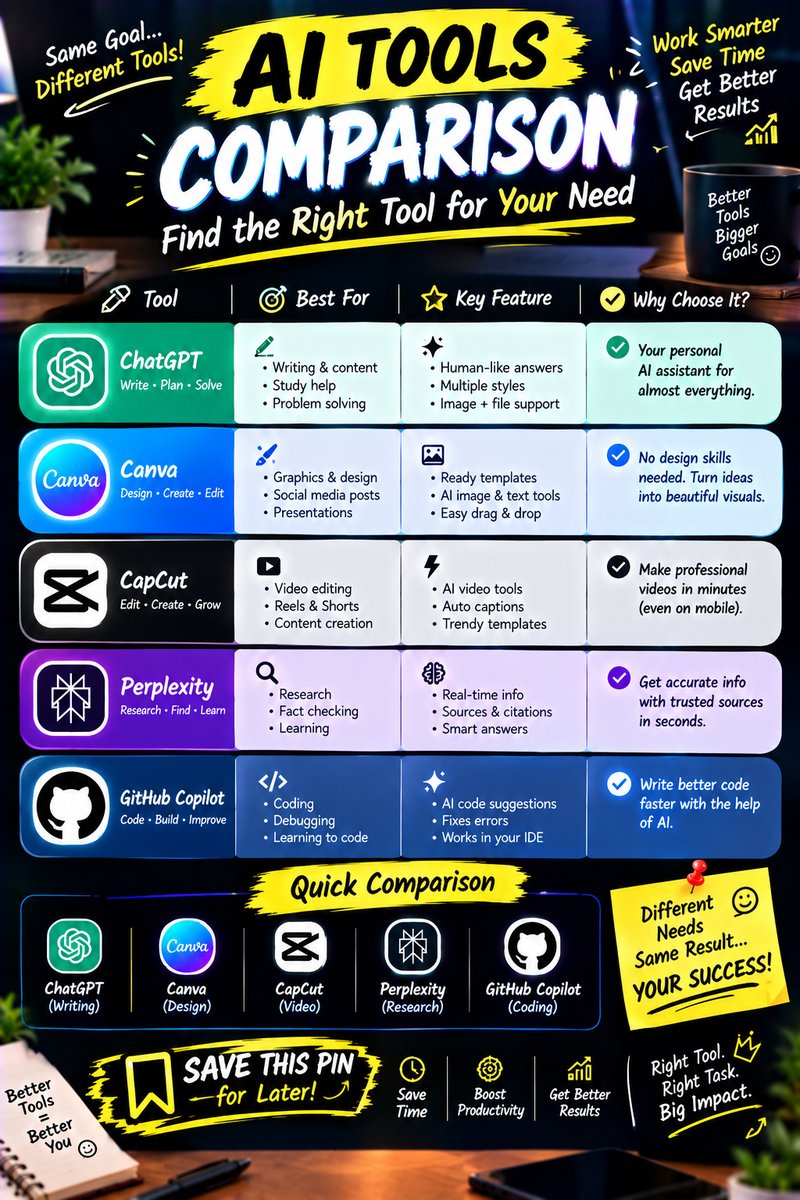
To help you decide, this side‑by‑side comparison shows how the app stacks against other AI companions in terms of memory depth, customization, and pricing.
Choosing the Right Plan for Your Needs
When you first sign up, you’ll encounter a free trial that lasts 14 days. During that period you can experiment with the full suite of features, including the voice interface and avatar changes. The trial ends with a prompt to upgrade if you want to keep using the assistant after the trial expires.
The paid tier is split into two levels: a “Standard” plan at £4.99/month and a “Premium” plan at £9.99/month. The Standard plan removes the daily message cap and adds priority server access, which reduces latency during peak hours. The Premium plan introduces a “Deep Memory” option that extends context retention to 180 days and unlocks an advanced tone editor, allowing you to fine‑tune the assistant’s personality with more granular settings.
For most casual users, the Standard plan offers the best balance of cost and capability. If you rely on the app for creative writing or as a research aide, the Premium plan’s extended memory can save time and reduce repetitive prompts.
Final Thoughts: Is It Worth It?
The AI companion excels in natural dialogue and offers a level of personalisation that feels genuinely useful. It shines when you want a quick reminder or a light conversation partner. Its biggest drawback is the device‑specific memory and the limited response length, which can interrupt deeper discussions.
If you’re in the UK and looking to compare ai chat apps, this app is a solid contender, especially if you value a conversational tone that adapts to your preferences. Just be mindful of the privacy terms and the fact that you’ll need to stay within a single device to keep the context intact.
Frequently Asked Questions
What makes an AI companion different from a generic chatbot?
An AI companion is designed to build a personal relationship, remembering preferences and emotions, whereas generic chatbots focus on task completion.
How can I compare AI chat apps quickly?
Use an AI companion comparison tool that lists features, pricing, data privacy, and user ratings side‑by‑side.